
04|2026

1. How NeuroStar TMS Works: Targeted Brain Stimulation: NeuroStar TMS uses magnetic pulses to stimulate the prefrontal cortex, a region of the brain involved in mood regulation, which is often underactive in individuals with depression.
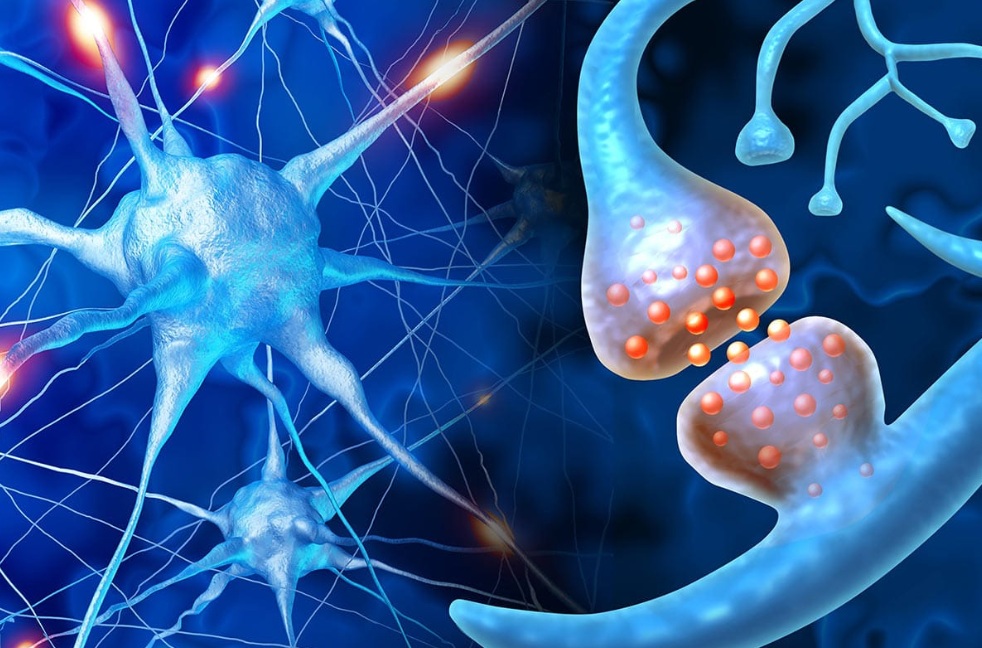
Neurotransmitter Production: By stimulating brain areas, TMS encourages the release of neurotransmitters like serotonin, dopamine, and norepinephrine, which play a role in mood regulation.
Neuroplasticity: TMS promotes neuroplasticity, the brain’s ability to reorganize itself and form new neural connections, helping overcome negative thought patterns associated with depression.
2. Effectiveness: Treatment-Resistant Depression: TMS is particularly effective for individuals with treatment-resistant depression, showing improvement in 50% of patients and one-third achieving complete remission.
Higher Remission Rate: TMS-treated patients were found to be four times more likely to achieve remission than those receiving placebo treatments in studies funded by the National Institute of Mental Health (NIMH).
No Systemic Side Effects: Unlike antidepressants, TMS does not cause side effects such as weight gain or sexual dysfunction.
3. Patient-Centric Benefits: Minimal Side Effects: Patients typically report mild scalp discomfort or headaches that subside over time.
Long-Lasting Relief: Many patients experience relief for 12 months or more after completing the treatment course.
Non-invasive: TMS is a non-invasive treatment with no downtime, allowing patients to resume normal activities immediately after each session.
4. Applications of TMS: Beyond Depression: TMS is FDA-approved for treating major depressive disorder (MDD), and emerging research shows its effectiveness for treating anxiety, obsessive-compulsive disorder (OCD), and post-traumatic stress disorder (PTSD).
Exploring Future Uses: Research is ongoing into TMS for treating conditions such as neurodevelopmental disorders, chronic pain, substance use disorders, and cognitive decline in neurodegenerative diseases.
5. Treatment Process: Session Details: Each session lasts 20 minutes, and patients typically undergo 5 sessions per week for 4-6 weeks.
Comfort During Treatment: Patients feel a light tapping sensation on their scalp during the procedure, and there is no recovery time after each session.
6. Comparison with Other Treatments: Medications: While antidepressants are widely available, they often cause unwanted side effects and may lose effectiveness over time.
Electroconvulsive Therapy (ECT): ECT is effective but requires anesthesia and carries risks like memory loss, making TMS a less invasive alternative.
Talk Therapy: Effective for addressing emotional issues, but may not be sufficient for those with severe or treatment-resistant depression
7. Durability of Results: Studies show that most patients experience sustained relief for at least 12 months after completing the treatment. Maintenance sessions can extend these benefits further.
8. Patient Stories: Many patients report life-changing results, with some saying they feel like themselves again or that TMS was the breakthrough they needed after years of unsuccessful treatments.
Conclusion: NeuroStar TMS Therapy offers a proven, non-invasive treatment for individuals with treatment-resistant depression, anxiety, and other mental health conditions. Its ability to target brain areas directly, promote neuroplasticity, and provide long-lasting relief with minimal side effects makes it an increasingly popular option for patients and clinicians alike. The treatment’s effectiveness is supported by strong clinical evidence, and its future potential in treating a wider range of conditions suggests that TMS will play a significant role in the future of mental health care.
At Colorado TMS Services, we can help you overcome your depression and get you back on your way to living a happier, more fulfilling life. Call us today for more information at (720) 671-0533 or visit our website.
Categories:: Depression